 Hot deals
.png "logo")
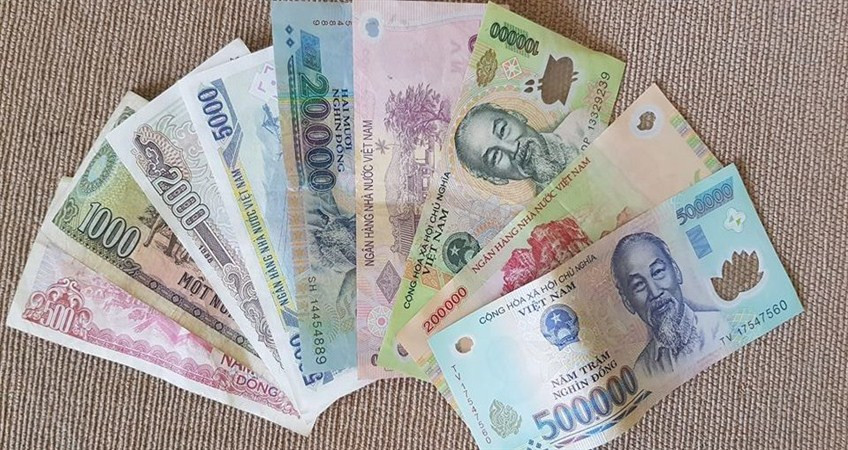
Exchange rates change daily. For the latest USD - VND rate, please check with a Vietnamese bank or an authorised currency exchange counter. Money can be exchanged at banks, airports and licensed exchange counters. Avoid exchanging money with unauthorised individuals, and always confirm the rate and any fees before completing the transaction.
In an emergency, call:
-
113 for the police
-
114 for the fire and rescue service
-
115 for an ambulance
If you need help reporting a scam, theft or another non-life-threatening incident, contact the nearest ward or commune police station. Your hotel, tour guide or a trusted local person may be able to assist with directions and translation.
Yes. To drive legally in Vietnam, you must have a valid licence for the type of vehicle you intend to use.
Foreign visitors generally need both their national driving licence and an International Driving Permit issued under the 1968 Vienna Convention. An International Driving Permit issued under a different convention may not be accepted in Vietnam.
Before renting a car or motorbike, confirm that your documents are valid in Vietnam and that your travel insurance covers driving. Always carry the required documents and wear a helmet when riding a motorbike.
Lightweight, breathable clothing is suitable for most parts of Vietnam. Quick-drying cotton or synthetic tops, trousers and shorts are practical in hot and humid weather.
Bring a light jacket or warmer layers if you are travelling during winter in northern Vietnam or visiting mountainous areas. A raincoat or compact umbrella is also useful during the rainy season.
When visiting temples, pagodas and other religious or historical sites, wear clothing that covers your shoulders and knees. You may also be asked to remove your shoes before entering certain buildings.
Yes. English is commonly spoken in hotels, restaurants and tourist attractions in major cities and popular destinations. However, communication may be more difficult in rural or remote areas.
Translation apps can be helpful, especially if you download the necessary language files for offline use. Keeping the name and address of your hotel written in Vietnamese is also useful when travelling by taxi or asking for directions.
Most local people are friendly and will try to help, even when they speak only limited English.
Vietnam is welcoming to international visitors, but some customs may be different from those in your home country. Learning a few basic cultural practices can help you avoid misunderstandings.
Here are a few things to consider:
Temples – When visiting temples, pagodas and other religious sites, dress modestly and follow any instructions about removing your shoes. Avoid sitting with the soles of your feet pointing towards a Buddha statue or another person.
Dress code – Ask for permission before photographing local people or ceremonies. Remove your shoes before entering a private home when your host does so or asks you to.
Meet and greet – A handshake is common in formal situations. A smile, a slight nod and a polite greeting are also appropriate. Remaining calm and respectful is especially important when resolving a disagreement.
For an immediate threat or emergency, call the police on 113. For a non-emergency incident, report it to the nearest ward or commune police station.
If possible, ask your hotel, tour operator or a Vietnamese-speaking person to assist you, as English-language support may not always be available. Bring your passport or identification and any relevant evidence, such as photographs, receipts or transaction records.
Do not sign a statement or document unless you understand its contents. Ask for an accurate translation and request a copy of the report, particularly if you need it for an insurance claim.
For a medical emergency, call 115 or go to the nearest appropriate hospital. The following hospitals provide international-standard services:
- Hanoi:
Hanoi French Hospital
-
1 Phuong Mai Street, Kim Lien Ward, Hanoi
-
Appointments: +84 24 3577 1100
-
Emergency, 24/7: +84 24 3574 1111
Ho Chi Minh City:
FV Hospital, Ho Chi Minh City
-
6 Nguyen Luong Bang Street, Tan My Ward, Ho Chi Minh City
-
Information and appointments: +84 28 3511 3333
-
Emergency: +84 28 3511 3500
Other hospitals and international clinics are available in major cities. Before travelling, check which medical facilities are available at your destination and confirm that your travel insurance covers treatment and medical evacuation.
Vietnam has an extensive transport network. Domestic flights and trains are convenient for travelling between regions, while coaches and tourist buses connect many cities and popular destinations.
Within cities, travellers can use metered taxis, ride-hailing services, public buses or private transfers. Boats and ferries are available in destinations such as Ha Long Bay, the Mekong Delta and Vietnam’s islands.
Use reputable transport providers, confirm prices in advance when a meter is not available, and allow extra travel time during holidays and peak periods.
Flying is the most convenient option for most international travellers. Vietnam has international airports in major destinations, including Hanoi, Ho Chi Minh City, Da Nang, Hai Phong, Nha Trang and Phu Quoc.
Travellers may also enter through approved land borders and seaports when arriving from neighbouring countries. Available routes and entry conditions can change, so check your passport and visa requirements before booking.
If you are using an electronic visa, make sure your chosen airport, land border or seaport is included on the official list of entry points accepted for e-visas.
With a long and diverse coastline, Vietnam offers everything from lively beach resorts to peaceful islands and secluded bays.
Da Nang and Nha Trang are popular for their long beaches, convenient facilities and water activities. Phu Quoc and Con Dao are excellent choices for island scenery, while Quy Nhon is known for its quieter beaches and relaxed atmosphere. Mui Ne is popular for beach holidays, windsurfing and kitesurfing.
The best destination will depend on the season and the type of experience you prefer. Sea conditions can vary throughout the year, so check the local weather forecast before planning water activities.
Vietnam offers a rich combination of culture, history, scenery, beaches and local cuisine.
For culture and history, consider visiting Hanoi, Hue, Hoi An, Ho Chi Minh City and Ninh Binh. Popular natural attractions include Ha Long Bay, the mountains and rice terraces of northern Vietnam, Ban Gioc Waterfall and the caves of Phong Nha - Ke Bang National Park.
Beach lovers can visit destinations such as Da Nang, Nha Trang, Phu Quoc, Con Dao, Mui Ne and Quy Nhon. Depending on the destination and season, activities may include trekking, cycling, kayaking, diving, snorkelling, kitesurfing and food tours.
Because Vietnam is a long country, it is usually better to focus on one or two regions rather than trying to see everything in a short trip.
Tipping is appreciated in Vietnam but is generally not compulsory. It is becoming more common in tourism and hospitality, especially for tour guides, drivers, hotel staff, spa therapists and restaurant employees.
Before leaving a tip at a restaurant, check whether a service charge has already been included in the bill. There is no fixed amount, so you may tip according to the quality of the service and your own preference.
A tip should always be considered a voluntary way to thank someone for good service.
Vietnam can be visited throughout the year, but the weather varies considerably between regions.
Northern Vietnam generally has four seasons. Winters, particularly from December to February, can be cool or cold, while summers are usually hot, humid and rainy. Mountainous areas can be much colder than Hanoi.
Central Vietnam has its own weather patterns, and periods of heavy rain or storms may occur during the later months of the year.
Southern Vietnam remains warm throughout the year and generally has a dry season and a rainy season.
Because regional conditions vary, check the forecast for each destination shortly before travelling. If your itinerary covers several parts of the country, pack for a mixture of heat, rain and cooler temperatures.
Vietnam is generally a safe destination for international travellers. However, petty theft, bag snatching and tourist scams can occur, particularly in crowded areas and major cities.
Keep your phone and valuables secure, especially near busy roads, markets and nightlife areas. Use reputable taxis or ride-hailing services, confirm prices before purchasing services and avoid carrying more cash than necessary.
Store your passport and other important documents in a secure place, and carry a copy when appropriate. When crossing roads or travelling by motorbike, take extra care and always wear a properly fastened helmet.
In an emergency, call 113 for the police, 114 for fire and rescue, or 115 for an ambulance.